Menopause Weight Loss: Your Complete Guide
12 min read · Updated 2025 · Reviewed by editorial team
If you've noticed your weight creeping up in your 40s or 50s despite no major changes to your diet or exercise — you're not imagining it. Menopause and the perimenopause years that precede it bring real, documented changes to how your body stores fat, burns energy, and responds to food.
The good news? There are evidence-based strategies that genuinely help — and none of them involve starvation or punishing exercise. This guide covers everything: why menopause causes weight gain, which foods support fat loss at this stage, why strength training is non-negotiable, and the daily habits that make the biggest difference.
Why does menopause cause weight gain?
During perimenopause (typically starting in your 40s), oestrogen levels begin to fluctuate and eventually decline. This hormonal shift has several direct effects on weight:
- Fat redistribution: Fat that once settled on hips and thighs tends to migrate to the abdomen — a pattern linked to reduced oestrogen.
- Muscle loss: After 40, we naturally lose 3–8% of muscle mass per decade (sarcopenia). Oestrogen decline accelerates this. Less muscle means a slower resting metabolism.
- Insulin resistance: Hormonal changes can reduce insulin sensitivity, making it easier to store fat and harder to burn it — particularly around the midsection.
- Sleep disruption: Hot flushes, night sweats, and anxiety commonly disrupt sleep. Poor sleep raises cortisol and ghrelin, increasing appetite and fat storage.
- Increased appetite: Some women experience a genuine increase in hunger, driven by hormonal changes to leptin and ghrelin signalling.
Understanding these mechanisms matters — because it tells you exactly where to focus your energy.
The best foods to support weight loss during menopause
The evidence points clearly toward a few dietary priorities:
- Prioritise protein at every meal. Protein is the most important macronutrient for menopausal weight management. It preserves muscle mass, keeps you full, and burns more calories to digest. Aim for 1.2–1.6g per kg of body weight daily. Good sources: eggs, Greek yoghurt, chicken, salmon, tofu, lentils, cottage cheese.
- Eat plenty of vegetables and fibre. Fibre slows digestion, stabilises blood sugar, feeds healthy gut bacteria, and reduces oestrogen re-absorption in the gut. Aim for 30g daily.
- Don't fear carbohydrates — choose quality ones. Wholegrains (oats, brown rice, quinoa, rye bread) provide fibre and steady energy. The goal is blood sugar stability, not carbohydrate elimination.
- Include healthy fats. Oily fish, olive oil, avocado, and nuts support hormonal health and reduce inflammation.
- Consider phytoestrogens. Soya, edamame, flaxseed, and chickpeas contain plant compounds that mildly mimic oestrogen.
- Limit ultra-processed foods and alcohol. Both disrupt sleep, raise inflammation, and worsen blood sugar control.
Free download
Get the free menopause meal plan PDF
A printable 7-day meal plan with protein-packed breakfasts, lunches and dinners — plus the shopping list.
Why strength training is non-negotiable during menopause
Cardio has its place — but if you only have time for one type of exercise during menopause, make it strength training:
- It rebuilds the muscle you're losing. Resistance exercise is the only proven way to slow and reverse age-related muscle loss.
- More muscle = higher resting metabolism. Muscle tissue burns more energy than fat tissue, even at rest.
- It improves insulin sensitivity, directly countering one of the key drivers of menopause weight gain.
- It strengthens bones — critical as oestrogen-driven bone loss accelerates.
- It reshapes your body. Body recomposition is achievable at any age with the right approach.
Three sessions per week with a set of dumbbells (8–20kg range) is enough to produce meaningful results within 8–12 weeks.
Beginner menopause strength plan
Session A — Upper
- • Dumbbell rows × 3 × 10–12
- • Shoulder press × 3 × 10–12
- • Bicep curls × 3 × 12
- • Tricep kickbacks × 3 × 12
- • Dead bugs × 3 × 10
Session B — Lower
- • Goblet squat × 3 × 12
- • Romanian deadlift × 3 × 10
- • Reverse lunges × 3 × 10/leg
- • Glute bridges × 3 × 15
- • Calf raises × 3 × 15
Session C — Full body
- • Dumbbell deadlift × 3 × 10
- • Bent-over row × 3 × 10
- • Push-up / kneeling press × 3 × 8–12
- • Lateral lunges × 3 × 10/leg
- • Plank × 3 × 30–45s
Rest 60–90 seconds between sets. Increase weight by 1–2kg when you can complete all reps comfortably.
Walking and menopause: the underrated fat-loss tool
A consistent walking habit may be the single most sustainable fat-loss intervention available. For menopausal women, research supports walking as:
- Effective for abdominal fat reduction
- A cortisol-lowering, mood-stabilising activity
- Supportive of bone density
- Practical and free
Target: 8,000–10,000 steps daily. Build progressively over four weeks: 20-minute walks → 40-minute brisk walks with intervals.
7-day menopause meal plan
A week of practical, high-protein, anti-inflammatory meals targeting 1,600–1,800 calories, 100–130g protein, and 30g+ fibre per day.
Day 1 sample
- Breakfast: Greek yoghurt bowl — 200g full-fat Greek yoghurt, mixed berries, 1 tbsp flaxseed, walnuts. ~350 cal, 20g protein.
- Lunch: Smoked salmon and avocado salad with rocket, cucumber, olive oil, lemon. ~420 cal, 28g protein.
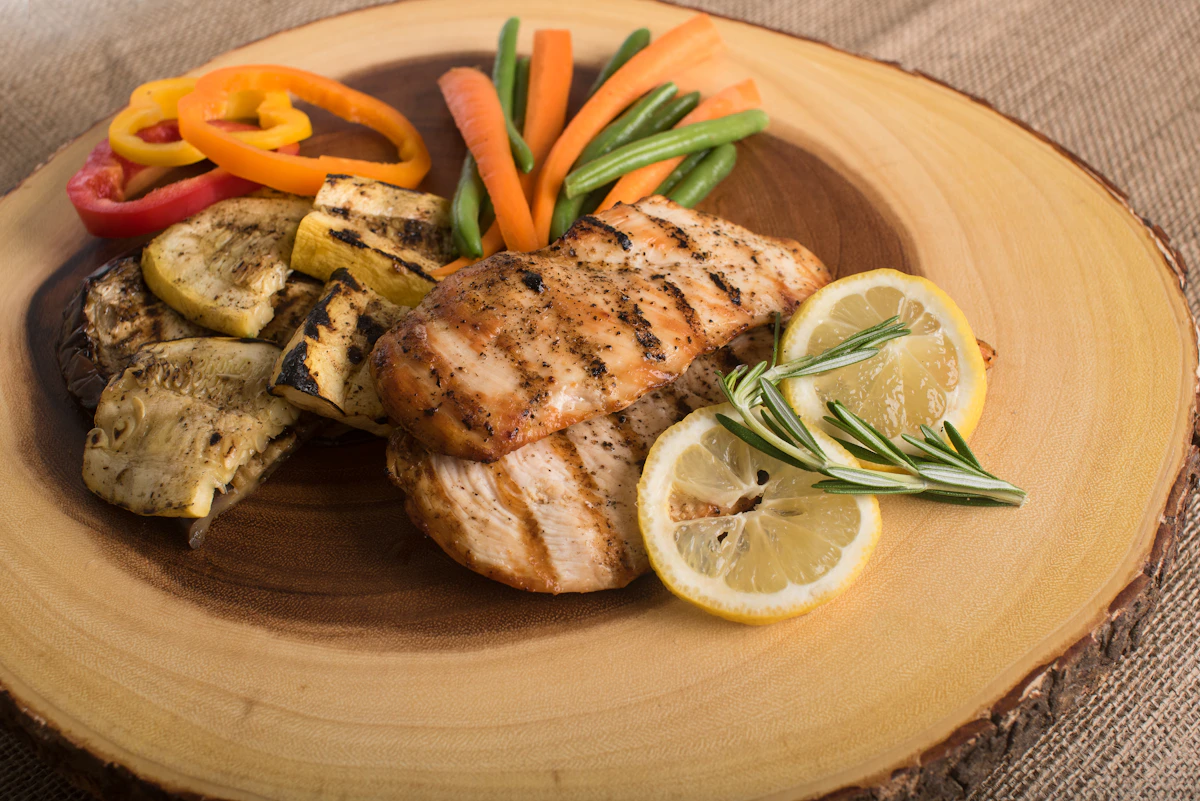
- Dinner: Baked chicken thighs with roasted Mediterranean vegetables and quinoa. ~520 cal, 42g protein.
- Snack: 2 boiled eggs + apple. ~200 cal, 12g protein.
Sleep and stress: the hidden weight-loss factors
No nutrition or exercise plan can compensate for chronically poor sleep or unmanaged stress. Both directly increase fat storage via cortisol and appetite hormones.
Sleep strategies
- Keep your bedroom cool (16–18°C is optimal)
- Avoid alcohol — it fragments sleep even if it feels relaxing initially
- Establish a consistent bedtime and wake time
- Consider magnesium glycinate (200–400mg before bed)
- Talk to your GP if night sweats are severely disrupting sleep — HRT is increasingly supported
Stress management
- Strength training itself is an excellent stress reducer
- 10 minutes of morning sunlight supports cortisol rhythm
- Brief breathwork (4-7-8 breathing) reduces acute cortisol spikes
- Prioritise social connection — loneliness raises cortisol chronically
When to see a doctor
If your symptoms are significantly affecting your quality of life, speak to your GP. HRT, thyroid checks, and blood work can all be appropriate parts of a menopause weight-management strategy. The information on this site is educational and not a substitute for personalised medical advice — see our medical disclaimer.
Where to go next
Use our protein calculator to set your daily target, then build the habit with our high-protein meals hub and 7-day meal plan. For training, the body recomposition guide covers strength, and the walking guide shows you how to layer in low-stress cardio. The broader picture lives in weight loss over 40.